2026 MVMA Fall CE Conference (In-Person)

PRE-REGISTRATION HAS CLOSED. ON-SITE REGISTRATION WILL BE ACCEPTED (as space allows in each session)
Join us for the MVMA Fall Conference on October 3-4, 2026, at the Sea Crest Beach Resort in Falmouth, MA.
Attend for one day or dive into the full two-day experience while earning up to 12 CE credits. Enjoy high-quality educational tracks designed around your interests, and connect with fellow veterinary professionals and industry leaders. Just steps from your room, you’ll find private, soft white-sand beach—perfect for a sunset stroll, relaxing in a beach chair, or simply soaking in the sea breeze.
Wrap up Saturday with a relaxed evening at our cocktail reception, where you can mingle with colleagues over complimentary appetizers and a cash bar.
To register for the CE conference online click the REGISTER NOW button at the top of this page.
Conference Brochure and Paper Registration
Hotel Reservations (Discounted until September 2)
PLEASE NOTE: There is NO hybrid/virtual option for this event. This is an in-person conference.
Vaccine Clinic Just Added!
JmBee Travel Health Clinic (formerly Destination Health Clinic) will have an RN on-site at the MVMA conference on Sunday, October 4, to provide rabies and tetanus vaccines and blood draw for rabies titer testing.
Appointment is required and each person must register for their own appointment time. Payment will be taken at time of service. Credit card, debit card, or HSA card accepted. No cash or check. Once an appointment is scheduled they will send an email with additional information along with a consent form. Attendance at the CE Conference is not required
Rabies Titer (Endpoint) Cost: $275 *Results will be returned in 3-4 weeks
Rabies Vaccine (Human Use) Cost: $575/dose
Tetanus (Tdap) Vaccine Cost: $75
If an MVMA member can’t make the conference but still wants to participate JmBee Travel Health Clinic will honor the same pricing in any of their offices and you can contact them separately for an appointment.
Questions? Call JmBee Travel Health at 508-784-6602 or email: clinicsupport@jmbeetravelhealth.com
For more detailed descriptions of tracks, click HERE
Saturday, October 3
Track 1
Nutritional Approach to Canine and Feline Disorders
Craig Datz, DVM, MS, DABVP, DACVIM (Nutrition)
Track 2
Dentistry
Donnell Hansen, DVM, DAVDC
Track 3
Equine Neurology
Daniela Bedenice, DVM, DACVIM (LAIM), DACVECC
Equine Nutrition
Marty Adams, PhD, ARPAS
Sunday, October 4
Track 1
Oncology
Andy Abbo, DVM, MS, DACVIM
Erin Romansik, DVM, DACVIM
Track 2
Small Animal Emergency Medicine
Elizabeth Rozanski, DVM, DACVIM (SAIM), DACVECC
Track 3
Equine Anesthesia and Pain Management
Alycia K. Frampton, VMD, MS, DACVAA
Equine Sports Medicine, Biologics Available in Equine Practice
Ryland B. Edwards, DVM, PhD, DACVS, DACVSMR
Track 1
Nutritional Approach to Canine and Feline Disorders
Craig Datz, DVM, MS, DABVP, DACVIM (Nutrition)
9:00am – 5:00pm
- Trust Your Gut: a guide to the nutritional management of various gastrointestinal disorders
- Sugar Highs and Renal Lows: handling tricky cases of chronic kidney disease, diabetes mellitus, or both
- A Weighty Matter: tackling the scale when comorbidities complicate your plans
- De-Liver-ing Success: nutritional management of hepatic disorders
- Tube-ular Nutrition: tips on critical care nutrition and assisted feeding in the clinic and at home
Track 2
Dentistry
Donnell Hansen, DVM, DAVDC
9:00am – 5:00pm
Why do we care? The difference between periodontal disease and endodontic disease.
In this hour we will discuss what really is the difference between periodontal disease and endodontic disease… and how does that affect our treatment plans in family practice. What does it mean for a tooth to be stable? And where do abscesses come from anyway? When do we need to extract and what can be done to save an important tooth? The answers to these questions become second nature when we really understand what disease process is affecting the teeth and how we can be help support the patient in front of you (and the family that is supporting them). Dentistry really is so much fun when you have the power of common sense knowledge guiding you!
Learning Objectives:
· Be able to identify the clinical and radiographic signs of periodontal disease
· Be able to identify the clinical and radiographic signs of endodontic disease
· Understand they are two different entities that may require different treatment plans
· Begin to make practical, family practice-oriented treatment plans
· Guide how to communicate the importance of dental disease with the families that come visit
MEOWW… Let’s talk cat mouths
My goodness, let’s face it… cats have an uphill battle when it comes to oral health. Although
they really only get 3-4 diseases, those diseases are so prevalent that many cats wander
around with really enthusiastically painful mouths. In this lecture, we will mostly focus on
tooth resorption and stomatitis, however do not forget, cats are faced with periodontal
disease, alveolar expansion/osteitis, traumatic pyogenic granulomas, and oral cancers (most
commonly squamous cell carcinoma but others like fibrosarcoma, FIOTs, etc are possible). It’s no wonder they wander around saying, “Me-OWWW” all the time… but thankfully, we are here to help our feline friends! It is so exciting!
Learning Objectives:
· Be able to identify the clinical and radiographic signs associated with various feline oral diseases including periodontal disease and tooth resorption
· Develop treatment plans for the most common feline oral concerns
· Differential between type I, II, III tooth resorption
· Understand the indications for surgical extraction versus “modified” crown amputation
Get in there! The how and why of tackling malocclusions early!
We will spend the hour touring through the common pathologies that occur when malocclusions are not addressed earl in the juvenile patient in an effort to inspire early and thoughtful care in family practice. We will review the steps to performing interceptive orthodontics (aka extracting those maloccluding deciduous teeth!) and what to watch for/be careful about when performing oral surgery on our young furry friends!
Program Agenda:
· Review of common pathologies in the adult patient with unaddressed malocclusions
· What to look for in a bite evaluation
· How to talk with a family about their pet’s occlusion
· A step by step review of extraction of deciduous canine teeth
Learning Objectives:
1. What knowledge will an attendee gain from this program? A practical, hands on, approach to malocclusion in our juvenile pet population.
2. What might they share with their fellow licensees about this program? We hope to inspire veterinarians and their teams to consistently evaluate deciduous dentition and confirmation in an effort to provide an improved quality of life for our patients, peace of mind for the families that support them, confidence in the veterinarian offering care, and an appropriate resource for the financial health of the practice.
Walking through the zebras- a safari through the unexpected in dentistry and oral surgery
We will review some of the less common or surprising pathology encountered in the adventures of veterinary dentistry and oral surgery. This will be case based discussion help navigate the thought process and treatment plans associated with some of the unexpected diagnoses we may encounter in our important companion animals/patients .
Learning Objectives:
· To remind ourselves that sometimes there are unexpected diagnoses that may inspire thinking outside of the box
· To help guide evaluation using known diagnostics to ultimately still find the diagnosis and formulate a treatment plan
· To emphasize that even with unexpected pathologies, many of the uncommon diagnoses can still carry favorable prognoses
· To have a little fun considering all the “weird” that vet med can bring!
Track 3
New and Old Challenges in Large Animal Neurology – Practical Approach and Problem Solving
Daniela Bedenice, DVM, DACVIM (LAIM), DACVECC
9:00am – 12:30pm
These lectures focus on a problem-based approach to assessment and management of the neurological large animal patient, with a focus on the sport horse. We will discuss the challenges of gait interpretation and lesion localization in both common and uncommon case presentations, to establish practical recommendations. Special emphasis will be placed on diagnostic procedures and their interpretation, to guide problem solving and treatment decisions based on available evidence
Marty Adams, PhD, ARPAS
Equine Nutrition
1:30pm – 5:00pm
Clinical Horse Nutrition
This course presents nutritional management of the horse over a range of health issues. It starts with nutrient requirements of the horse, then addresses feeding the post-surgical colic horse. Concentrate and hay selection for safe feeding regarding sugar and starch content or nonstructural carbohydrates (NSC), glycemic response of normal and insulin dysregulated horses, NSC content of equine feedstuffs and commercial horse feeds and dietary NSC feeding examples for metabolic horses are also explained.
Performance Horse Nutrition
This course presents the nutritional management of performance horses, beginning with a review of the anatomy and physiology of the equine digestive system, nutrient requirements, and nutritional evaluation of horses. Optimal performance horse diet formulation will then be discussed, with emphasis on special nutritional considerations for equine athletes, including nutrient partitioning of digestible energy, current research and nutritional strategies for the support of muscle development and recovery, and prevention of digestive disturbances.
Nutritional Management of Equine Metabolic Diseases
This course explains how nonstructural carbohydrate (NSC) content of equine feedstuffs is determined and its effects in the horse. Discussion of feeding recommendations, major symptoms, affected breeds and feeding examples of horses diagnosed with Equine Metabolic Syndrome, Polysaccharide Storage Myopathy Type 1, Polysaccharide Storage Myopathy Type 2, Polysaccharide Storage Myopathy Type 2 Myofibrillar Myopathy and Recurrent Exertional Myopathy will be provided.
Track 1
Oncology
Andy Abbo, DVM, MS, DACVIM
9:00am – 12:30pm
The approach to Oncology case management for the general practitioner.
- How to approach any oncology case
- Review of oncology definitions, staging, grading and diagnostics/ interpretation of results
- Review of treatment modalities, chemotherapy side effects and MOA/ safety concerns
Transitional Cell Carcinoma of the Urinary Bladder
- Review of TCC in the canine and feline patient including biological behavior, staging/ treatment recommendations and prognostic factors.
Electrochemotherapy for companion animals.
- Review of ECT as it pertains to companion animals with regards to MOA, appropriate case selection and review of current literature.
Erin Romansik, DVM, DACVIM
1:30pm – 5:00pm
Lords of Lymphoma
This session will review the basics of canine and feline lymphoma including staging and treatment options with an emphasis on the latest diagnostic tests and therapeutic options including Idexx Cancer Dx, Tanovea, and Laverdia.
Masters of Mast Cell
This session will review the basic diagnostic workup and therapeutic options for canine mast cell cancer with emphasis on newer treatment options including electrochemotherapy (ECT), Stelfonta, and Gilvetmab.
Queens of the Screen
This session will discuss the various cancer screening tests being offered by several companies as well as genomic testing for possible targeted therapy in dogs and cats with cancer.
Track 2
Small Animal Emergency Medicine
Elizabeth Rozanski, DVM, DACVIM (SAIM), DACVECC
9:00am – 5:00pm
Brachycephalics: The worse is yet to come
This session will focus on emerging development for the management of conditions associated with brachycephalic dogs, including respiratory, gastrointestinal, orthopedic and neurological.
Pleural effusion: Now what
This session will focus on the a clinical approach after identification of pleural effusion, including how to perform thoracentesis, appropriate diagnostics and therapeutic options.
The Geriatric pet on emergency
This session will focus on the approach to older animals in the emergency room, and how to prioritize diagnostic and treatment options. We will also discuss fraility and hidden sepsis.
Sometimes kitties breathe hard
This session will focus on a practical approach to respiratory distress in cats, including how to identify heart versus lung disease, and how to choose effective treatments.
I think I see the lungs; Approach to thoracic trauma.
This session will focus on improving outcome in animals with blunt and penetrating chest wounds, including bite wounds. We will discuss when surgery treatment is indicated and when medical care will suffice.
That is a low PCV!
This session will focus on the approach to anemia; both acute and chronic, as well as how to decide about blood transfusions. We will cover both cats and dogs, and discuss the role of outpatient transfusions and autotransfusion.
What is new in feline urinary obstruction?
This session will new updates in the management of cats with urinary obstruction; we will discuss what is new and what we can be doing better for these cats!
Wait they don’t have any money!
This session will discuss how you can decide and feel good about your plan in clients with financial constraints. We will additionally focus on resources in MA for cases requiring specialized procedures.
Track 3
Equine Anesthesia and Pain Management
Alycia K. Frampton, VMD, MS, DACVAA
9:00am – 12:30pm
Equine Anesthesia – From Sedation to Recovery
Covers the continuum of equine anesthesia from sedation through recovery. Discusses drug selection and physiologic effects during sedation and induction, followed by maintenance considerations including cardiovascular support and positioning. Highlights common and high-impact complications (hypotension, hypoventilation, neuromuscular injury) and their prevention. Concludes with recovery management, emphasizing strategies to improve outcomes, reduce morbidity, and enhance safety in clinical practice.
Recognizing and Treating Pain in the Horse
Focuses on recognizing and managing pain in horses across perioperative and chronic settings. Reviews validated pain assessment tools and limitations in clinical recognition. Covers multimodal analgesic strategies for intraoperative and postoperative care, including systemic and regional techniques. Addresses challenges in managing chronic pain conditions and gaps in current approaches. Emphasizes practical, evidence-based strategies to improve patient comfort and clinical outcomes.
Equine Sports Medicine, Biologics Available in Equine Practice
Ryland B. Edwards, III, DVM, PhD, DACVS, DACVSMR
1:30pm – 5:00pm
Biologic Products in Equine Practice: What options are available to the equine practitioner, clientele and horse?
This lecture will provide an overview of biologic therapies available to the equine practitioner and evidence or the foundation for their clinical use. The talk will focus on reviewing available products, proposed mechanism of action, and indications/application for their use in clinical practice.
Clinical Cases Managed with Biologic Therapies
Clinical cases will be used to work through the identification of the cause of the lameness, approaches to blocking, imaging options and the use of biologics to manage the injury.
14 days prior to conference - 50% refund
No refunds issued within 14 days of conference
At this time, the MVMA is not requiring vaccinations, boosters, or masks at in-person events. We will continue to adhere to the public health restrictions set forth by individual communities and will alert you of any changes to this policy. Complimentary face coverings will be offered at the registration desk for those who would like them.
Thanks to our Sponsors!
Click on the company logos to learn more!
 |
 |
 |
 |
|
 |
|
 |
 |
 |
 |
 |
 |
 |
Sea Crest Beach Resort Reservations
Speakers

Craig Datz, DVM, MS, DABVP, DACVIM (Nutrition)
Dr. Datz earned his veterinary degree at the Virginia-Maryland Regional College of Veterinary Medicine and his master’s degree at the University of Missouri. He spent 14 years in private companion animal practice and 11 years on the faculty at MU working in the areas of Community Practice and Clinical Nutrition. He then joined Royal Canin USA as a teaching, clinical, and research nutritionist. Dr. Datz is board-certified by the American College of Veterinary Internal Medicine (Nutrition) and is board-certified in canine/feline and feline practice by the American Board of Veterinary Practitioners. He lives in Columbia, Missouri with his wife and a spoiled Havanese.
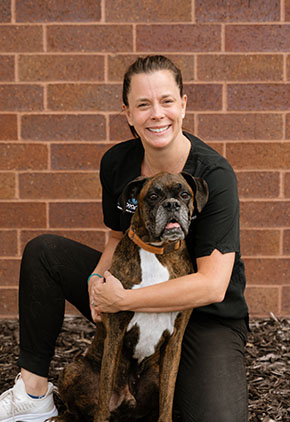
Donnell Hansen, DVM, DAVDC
Dr. Donnell Hansen, a Minnesota native, and a small group of friends joined together to form the Moxie Center (which was the first hospital to be now known as BluePearl) in Minnesota’s twin cities of Minneapolis/Saint Paul. Although her daily life is spent in specialty care, in 2011, her and her husband, also a veterinarian, opened Rice Creek Animal Hospital which provides a little balance and perspective about life in family practice. In 2019, Donnell developed Four Legged Tooth Fairy, an interactive small group conference center for the veterinary community to enhance their patient health, practice health, and mental health through veterinary dentistry. Dr. Hansen’s special interest in maxillofacial surgery, however the truth is, she loves the whole darn gig… especially when she gets to share the fun of veterinary dentistry with others!
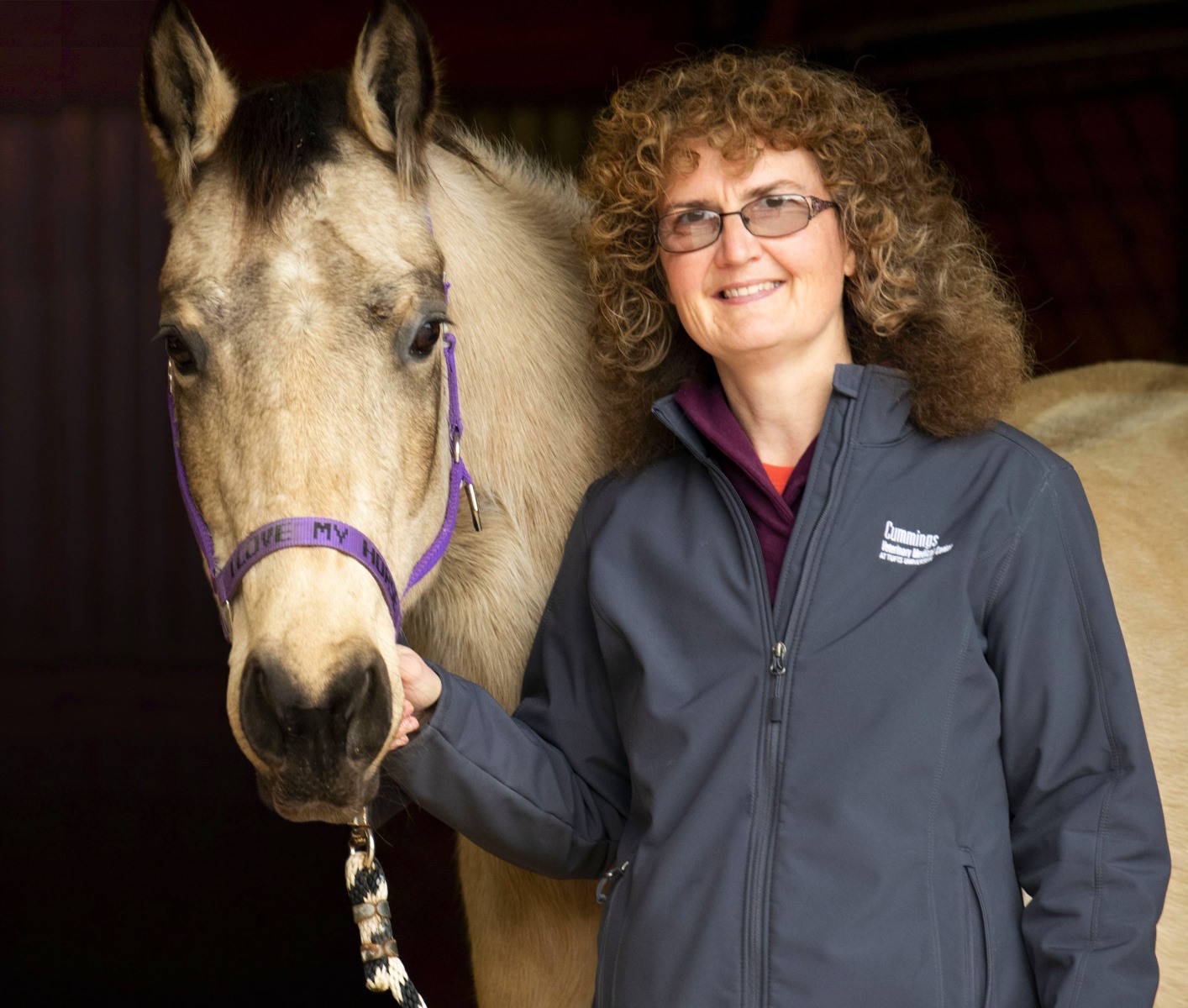
Daniela Bedenice, DVM, DACVIM (LAIM), DACVECC
Daniela Bedenice graduated from the Free University of Berlin University (Germany) in 1997 and has been a long-standing faculty member at Tufts Cummings School of Veterinary Medicine, actively contributing to the specialty care of large animals, as well as teaching and clinical research missions of the school. Dr. Bedenice became a board-certified specialist of large animal internal medicine in 2002, followed by equine emergency and critical care in 2005. Her particular interests lie in the field of respiratory disease management, clinical pharmacology and therapeutic advancements for both horses and camelids.
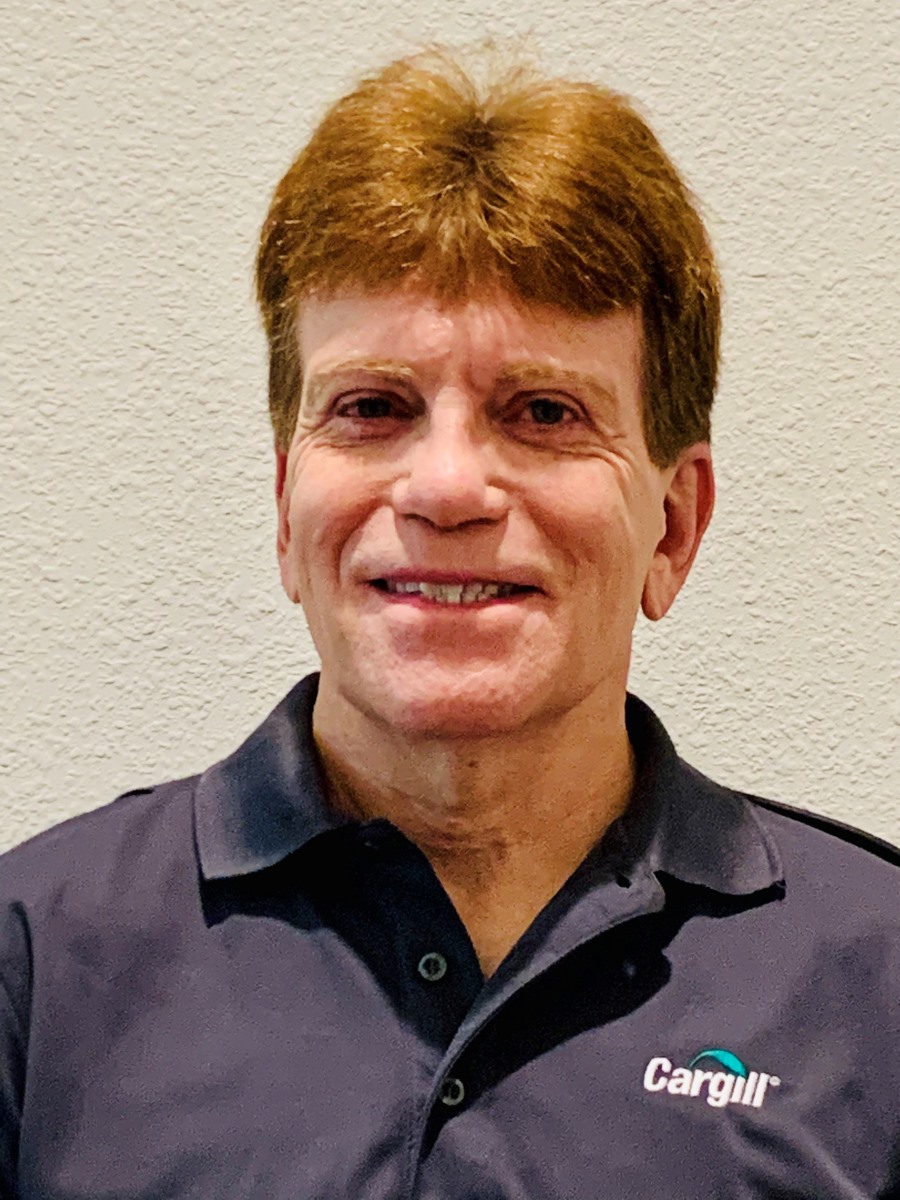
Marty Adams, PhD, ARPAS
Dr. Marty Adams is a technical services equine nutritionist for Cargill Animal Nutrition & Health. He was formerly the equine nutritionist and horse feed manager for Southern States Cooperative. Dr. Adams also served as an assistant/associate professor at Louisiana Tech University after graduate school, and then was the equine nutritionist for Seminole Feed before taking the position at Southern States. Dr. Adams has two B.S. degrees from Missouri State University, M.S. and Ph.D. degrees from the University of Missouri (Animal Science/Equine Specialty) and an ARPAS Equine (American Registry of Professional Animal Science) certification.
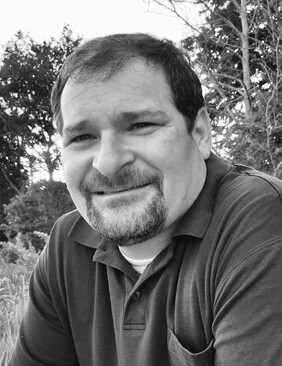
Andy Abbo, DVM, MS, DACVIM
Andy Abbo, DVM, MS, DACVIM (Oncology), is a board-certified veterinary oncologist and founder of Veterinary Cancer Specialists of New England (www.vcsnewengland.com), a specialty oncology only referral practice. He received his Doctor of Veterinary Medicine from Kansas State University and completed a Master of Science, rotating internship, and residency in comparative medical oncology at Purdue University, achieving board certification through the American College of Veterinary Internal Medicine.
Dr. Abbo’s clinical focus is on evidence-based, individualized cancer care for companion animals, with an emphasis on quality-of-life–centered treatment planning. At his practice, he promotes a personalized model of care that prioritizes client communication and tailored therapeutic decision-making to optimize patient outcomes.
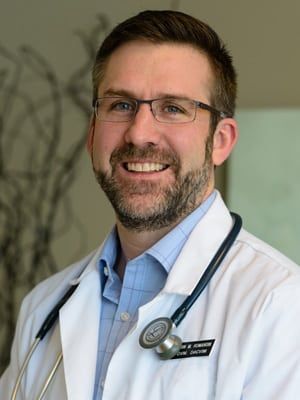
Erin Romansik, DVM, DACVIM
Dr. Erin Michael Romansik was born and raised in Denver, Colorado, making him a die-hard Broncos fan (sorry New England). He attended Penn State University and received a BS in biology. Dr. Romansik then returned to Colorado, enrolling in veterinary school at Colorado State University. He received his DVM degree in 2002, finding his passion for veterinary oncology along the way. In pursuit of residency training, Dr. Romansik completed an internship at Tufts University, followed by an oncology internship in Tampa, Florida. He went on to complete his medical oncology residency at University of California, Davis. In 2007 he became a board-certified Diplomate in the American College of Veterinary Internal Medicine.
Dr. Romansik then returned to the Boston area and practiced at NEVOG in Waltham, MA for seven years followed by a two year position with Aratana Therapeutics. There, he was part of a team developing novel therapies for serious diseases in dogs and cats. Aratana was a short, exciting diversion from clinical medicine but Dr. Romansik missed the personal interactions with patients and clients. He returned to treating patients in 2016, forming his own independent consulting practice which has grown into Animal Cancer Care Specialists.
Outside of work, Dr. Romansik spends as much time as he can with his wife and his three daughters. They share their home with a dog and two bunnies. His interests include HiFi audio, anything outdoors, and his first love – meteorology.
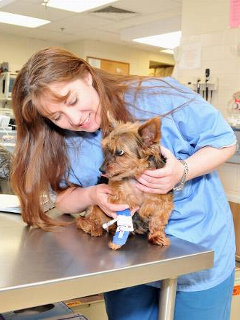
Elizabeth Rozanski, DVM, DACVIM (SAIM), DACVECC
Dr. Elizabeth Rozanski graduated from the University of Illinois College of Veterinary Medicine and went on to complete advanced training at the University of Minnesota and the University of Pennsylvania. She has spent many years on the Emergency and Critical Care (ECC) service at Tufts University in North Grafton, where she has extensive experience managing complex and critical cases.
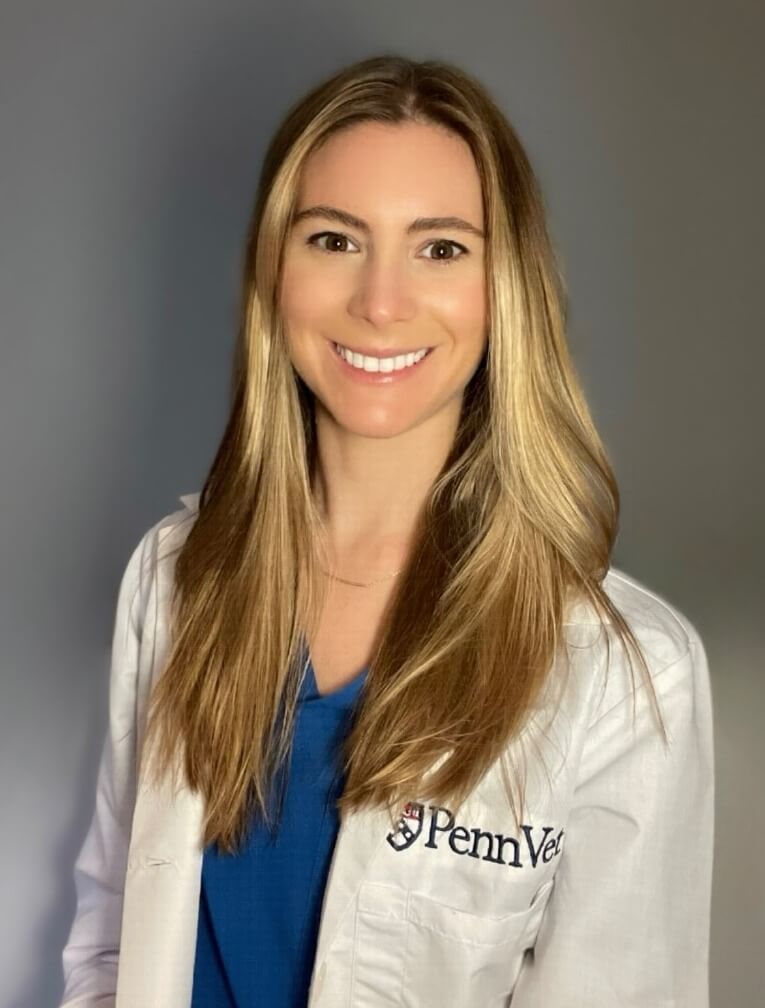
Alycia K. Frampton, VMD, MS, DACVAA
Alycia Frampton, VMD, MS, DACVAA, is an Assistant Professor of Anesthesiology at the University of Pennsylvania’s New Bolton Center. She earned her VMD from the University of Pennsylvania School of Veterinary Medicine and holds an MS in Chemistry from Villanova University. Following a rotating internship at Rood and Riddle Equine Hospital, she completed a residency in Small and Large Animal Anesthesia and Analgesia at the University of Pennsylvania School of Veterinary Medicine. Her professional interests include equine anesthesia, neuromuscular complications, and perioperative pain management.
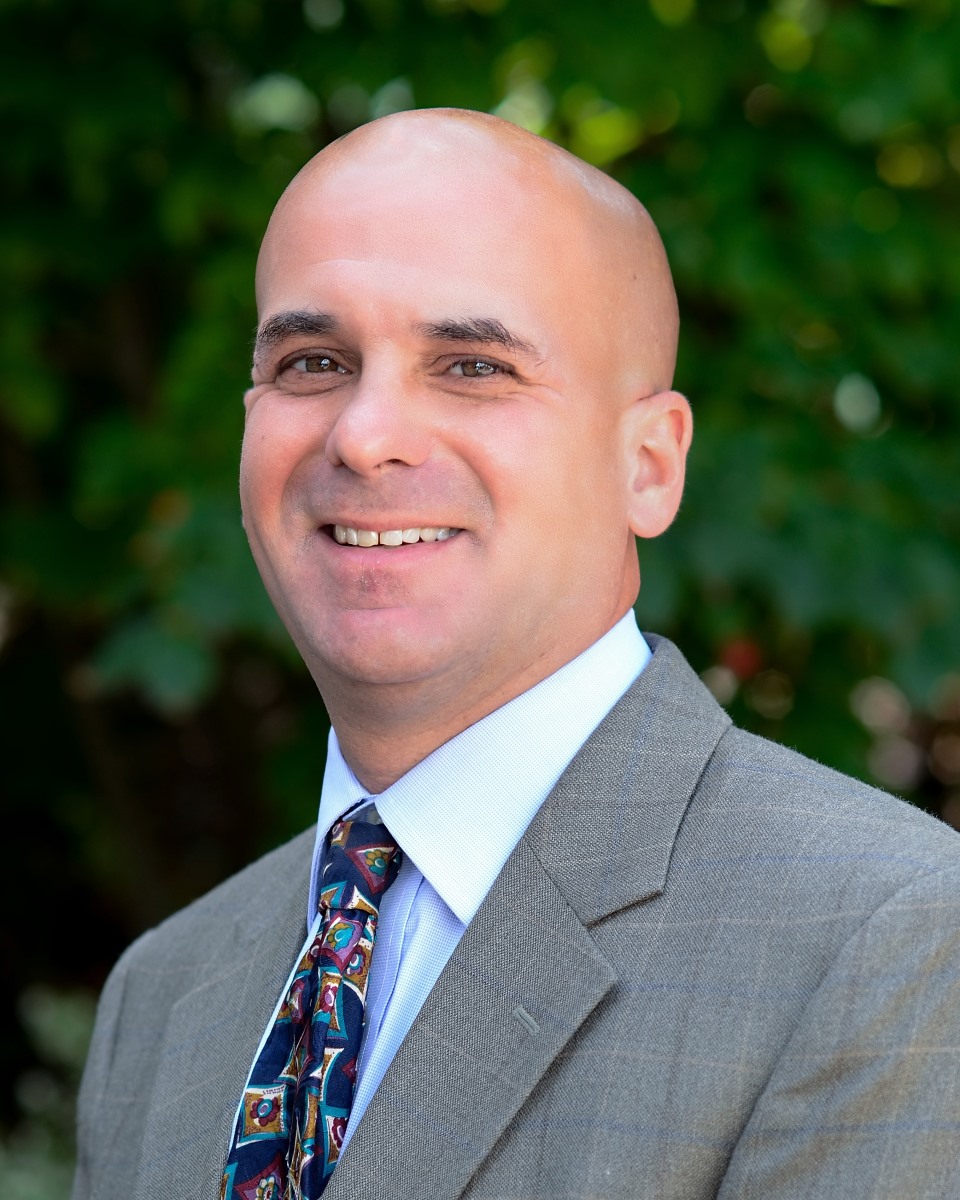
Ryland B. Edwards, III, DVM, PhD, DACVS, DACVSMR
Ryland B. Edwards III, DVM, PhD, DACVS, DACVSMR-Equine, is an owner/partner at Fairfield Equine Associates in Newtown, CT, where he also directs the intern and extern programs. A graduate of the University of Georgia College of Veterinary Medicine, he completed advanced surgical training and earned Diplomate status with the American College of Veterinary Surgeons following an internship, residency, and graduate work at Cornell University. He later earned a PhD at the University of Wisconsin–Madison, where he also served as a Clinical Assistant Professor before joining Fairfield Equine Associates in 2005. Dr. Edwards’ clinical and research interests include equine sports medicine, poor performance evaluation, upper airway disorders, fracture healing, and cartilage injury management. He is active in the American Association of Equine Practitioners and became a Diplomate of the American College of Veterinary Sports Medicine and Rehabilitation (Equine) in 2017.
For More Information: