2026 MVMA Spring CE Conference (In-Person)
Renaissance Framingham Hotel & Conference Center
1657 Worcester Road Framingham, MA 01701 United States

Join us in person for the Spring CE Conference at the Renaissance Framingham Hotel (formerly the Sheraton Framingham Hotel & Conference Center)! This full-day event offers six hours of CE sessions led by expert speakers, along with an exhibitor showcase featuring new products and services. You’ll also enjoy plenty of opportunities to reconnect with colleagues, expand your professional network, and spend the day learning, engaging, and feeling inspired.
For online registration click the Register Now button on the top right of the page.
Conference flyer and paper registration
Hotel Reservations - Discounted until Friday, March 20, 2026
PLEASE NOTE: There is NO hybrid/virtual option for this event. This is an in-person conference.
JmBee Travel Health Clinic (formerly Destination Health Clinic) will have an RN on-site at the MVMA conference to provide rabies and tetanus vaccines and blood draw for rabies titer testing. Appointment is required and each person must register for their own appointment time. Payment will be taken at time of service. Credit card, debit card, or HSA card accepted. No cash or check. Once an appointment is scheduled they will send an email with additional information along with a consent form.
Rabies Titer (Endpoint):
Cost: $230
*Results will be returned in 3-4 weeks
Rabies Vaccine (Human Use)
Cost: $550/dose
Tetanus (Tdap) Vaccine
Cost: $75
If an MVMA member can’t make the conference but still wants to participate JmBee Travel Health Clinic will honor the same pricing in any of their offices and you can contact them separately for an appointment.
Questions? Call JmBee Travel Health at 508-784-6602 or email: clinicsupport@jmbeetravelhealth.com
Rabies Vaccines & Rabies Titer Testing REGISTRATION HERE
Track 1
In A World of Pain – Recognition, Assessment, Prevention, Management (6 CE)
Mark E. Epstein, DVM, DABVP (C/F), CVPP
Every patient experiences pain during its lifetime. This track will provide an overview of the most commonly-encountered (and some less-common) clinical pain presentations. Presentation will be evidence-based insofar as possible and a consensus of expert opinion otherwise.
Neuropathic Pain Pathophysiology, Syndromes, Treatment: It Is Seeing You
Course Description:
This session will describe the neurophysiology of maladaptive pain, discuss recognition and clinical presentations likely to be encountered in practice, and outline therapeutic strategies.
Learning Objectives:
Understand what differentiates normal from abnormal (maladaptive) pain processing
Learn strategies to recognize maladaptive/Neuropathic Pain in the clinical setting
Learn Neuropathic Pain Syndromes recognized in dogs and cats.
Learn how treatment of maladaptive/Neuropathic pain differs from other pain presentations
Oral & Parenteral Therapeutics for Chronic Pain
Course Description:
The first half of this lecture the audience will learn about non-NSAID, non-opioid oral pain modifying analgesic drugs (PMAD) and their use in clinical practice for chronic pain. Examples include but are not limited to tramadol, gabapentinoids, amantadine, amitriptyline, SSNRIs, CBD. The second half of the session will focus t non-NSAID, non-opioid pain modifying analgesic drugs (PMAD) administered parenterally, and their use in clinical practice for chronic pain. Examples include but are not limited to parenteral medications such as alpha-2 agonists, subanesthetic ketamine CRI, systemic lidocaine, anti-NGF Monoclonal Antbiody, bisphosphonates, Intra-articular injections
Learning Objectives:
1. Gain understanding of adjunctive PMAD mechanisms of action
2. Learn patient populations that would most benefit – or not benefit – from various adjunctive oral PMADs.
3. Understand clinical use of various oral & parenteral PMADs
Pain Management for the Low- & High-Surgical Dose Patients
Course Description:
This session will begin with the basic pain management protocols for procedures in which post-operative pain would be expected not to be severe and/or are at low risk for sensitization and maladaptive pain. Examples include but not limited to: small, uncomplicated lumpectomy, laceration repair; arguably, spay, neuter, uncomplicated tooth extraction. The second half of the session will focus on the modalities and protocols deployed for those in which significant post-operative pain can be anticipated and/or the patient has or is at risk for maladaptive pain. These include but are not limited to are patients that have significant tissue trauma, are already in pain, and have chronic inflammation and/or nerve injury present. Examples include but not limited to: large soft tissue resection, trauma repair; laparotomy/abdominal Sx of any kind; significant oral surgery; orthopedic surgery, amputation (even just digit), enucleation, and so on.
Learning Objectives:
1. Understand the difference between Low- and High-Surgical Dose patients
2. Learn the foundational features of pain management protocols for every surgery
3. Understand pathophysiology, risk factors for, and recognition of post-surgical maladaptive pain
4. Learn the additional pain management modalities to deploy in High-surgical dose patients, beyond those utilized in Low-surgical dose patients
5. Learn post-surgical pain recognition and assessment
Have the Nerve: Local and Locoregional Anesthesia
Course Description:
During this lecture the audience will learn the practical and safe use of local anesthetics. Will include a “video wetlab” that demonstrates various techniques suitable for any clinician to master, with a focus on circumstances specific to the patient in any clinical setting
Learning Objectives
1. Understand the rationale and industry guidelines for the use of local anesthetics
2. Understand the mechanism of action and differences/similarities between various local anesthetics
3. Learn potential adverse effects and safe use of local anesthetics
4. Understand the indications, safety/stability, and practical use (label and extra-label) of liposome-encapsulated bupivacaine (Nocita™)
5. Learn basic dermal, infiltrative, field, intracavitary nerve block techniques
6. Learn regional nerve blocks of the head and face for both dental and oral-facial surgical procedures
7. Learn more advanced regional techniques such as retrobulbar, mesovarium, intratesticular, retrobulvar, and other
8. Gain insight into peripheral nerve blockade
Track 2
Dermatology (6 CE)
Jason Pieper, DVM, MS, DACVD
Allergies, allergies, and allergies!
We will be discussing the most common allergies in dogs and cats including diagnosis and treatment of each allergy.
Annoying secondary infections
Unfortunately, allergies commonly come with secondary infections. We will be discussing the most updated information including treatment options.
Common autoimmune and immune-mediated diseases in dogs
We will discuss the most common autoimmune and immune-mediated diseases in dogs and show how they can be mistaken for other dermatopathies.
Not everything is allergies! Breed specific dermatopathies
We will discuss some of the more common breeds that historically have been diagnosed with allergies.
Track 3
Toxicology (6 CE)
Renee D. Schmid, DVM, DABT, DABVT
Back to the Basics: Approaching poisonings correctly right from the start! (1 hr)
- Appropriate patient assessment
- Proper assessment of a toxicity
- Most ideal drugs for toxicity management
- Common patient management needs
- General patient follow-up needs
Summary: This lecture will discuss the basics of properly assessing a poisoned patient in order to understand both the risks presented by the toxin and the risks associated with specific species, breeds, and pre-existing conditions. Veterinary professionals will also learn about which drugs are ideal to stock in a practice for the management and treatment of common poisonings. Additionally, specifics regarding follow-up needs regarding poisoned patients will be addressed.
Decontamination Methods of the Dog and Cat (1 hr)
- Review the current recommendations for inducing emesis in cats
- Learn how to determine the best decontamination for your patient
- Recognize limitations of time for each decontamination method
Summary: Conventional knowledge about GI decontamination is flush with misinformation. If you've ever struggled with inducing vomiting in a cat or dog or wondered what the difference between the 'red and blue ' bottles of activated charcoal are, this lecture is for you. We’ll discuss appropriate decontamination tactics and timeframes, the differences between different types of decontamination, the risks of and contraindications for emesis and charcoal, and the most up to date preferred emetic agents (along with those to avoid).
You mean the party’s over? A review of recreational and illicit poisonings in the dog and cat (1 hr)
Through a case-based approach, the attendee will gain knowledge on how to recognize nicotine, hops, alcohol, marijuana, methamphetamine and cocaine toxicosis. We will also discuss with each:
- Appropriate patient assessment
- Clinical signs
- Diagnosis
- Treatment needs
Summary: Let’s face it, people like to party, and pets seem to have more access to recreational and illicit drugs now more than ever before. We will discuss cases involving poisonings centered around toxins that may be found at the scene of the party including nicotine, hops, alcohol, marijuana, methamphetamine and cocaine.
Toxin Trends from a Pet Poison Center: A Year in Review (1 hr)
- Learn the most common toxins consulted on by an animal poison control center.
- Learn common scenarios surrounding toxin exposures to better educate pet owners on dangers.
- Review 2-3 common toxins and discuss their presenting signs, treatment needs, and expected outcomes.
Summary: This lecture will discuss the top trends regarding calls received from an international animal poison control center. This includes the top toxins, species, breeds, most common exposures based on age, and how these factors affect exposures, clinical signs, and outcomes. We will also discuss several of these toxins in a case-based review.
Top 10(ish) Toxins Affecting Dogs & Cats (2 hr Part 1 and 2)
- Obtain in-depth information regarding the 10 most common toxins in dogs and cats
- Learn clinical signs and ideal decontamination needs for each toxin
- Discuss most current treatment recommendations for each toxin
Summary: Dogs and cats can get into the most surprising things. This lecture will provide a thorough overview of the top 10 toxins affecting dogs and cats, and a few other common toxins. Toxins covered will include chocolate, xylitol, human NSAIDs, marijuana, rodenticides, human mood-altering medications and many more. This lecture is a frequent favorite as it encompasses many different topics while providing the most up to date information.
Track 4 - For Veterinary Technicians
Myths and Misconceptions in Veterinary Dentistry (1.5 CE)
Kate Zukowski, CVT, VTS (Dentistry)
This informative lecture aims to cover many different aspects of companion animal dentistry instead of focusing on just one topic. From how to get your practice up to standard of care and beyond for optimal patient wellbeing to hot button topics like anesthesia free dentistry and antibiotic usage. My goal is to arm technicians and support staff with current evidence based information to share with their practices in order to elevate the level of care their patients receive.
Anesthesia (4.5 CE)
Leah Contreras, CVT, RVT
The Hypo's of Anesthesia
Although there are many anesthetic considerations to consider during any anesthetic event, a common teaching technique is reviewing the five “hypo’s” of anesthesia. These anesthetic complications can befall any patient undergoing anesthesia, and as such, all anesthetists should be prepared for their occurrence. The speaker will be reviewing:
- Hypotension
- Hypoventilation
- Hypoxemia
- Hypothermia
- Heart Rate (Bradycardia)
As each topic is covered, the speaker will give examples of how these complications can negatively affect our patients if proactive measures are not taken. The goal is for the audience to walk away feeling more confident in prioritizing anesthetic complications on an individual basis.
The Big Picture! Monitoring Anesthetic Trends
Have you ever second guessed yourself on whether to turn the vaporizer up or down? Or if you should alert the doctor when a certain value falls below a set point? This talk empowers anesthetists to look beyond the face value of the monitor when monitoring anesthesia. Anesthetic trends are crucial is an anesthetist’s ability to make informed, game time decisions during case management. Case examples and videos are provided to assess depth in conjunction with the values displayed on the monitor. The hope is that the audience will leave feeling empowered to speak up at the appropriate times during their cases, and increase their critical decision making.
Pay it Forward! Training the Next Generation of Anesthetists
The focus of this lecture is to help the audience, specifically those responsible for training new technicians, in anesthesia. A systemic approach to teaching veterinary anesthesia is discussed. Examples of training programs, formats, and outlines are provided in order to organize the best approach for each team. Soft skills in mentorship are touched upon, as well as hard skills and standards necessary to uphold when teaching new technicians how to run anesthesia.
14 days prior to conference - 50% refund
No refunds issued within 14 days of conference
At this time, the MVMA is not requiring vaccinations, boosters, or masks at in-person events. We will continue to adhere to the public health restrictions set forth by individual communities and will alert you of any changes to this policy. Complimentary face coverings will be offered at the registration desk for those who would like them.
Thanks to our Sponsors!
Click on the company logos to learn more!
 |
 |
 |
 |
|
 |
 |
 |
 |
 |
|
|
 |

Renaissance Framingham Hotel Reservations
Speaker Bios
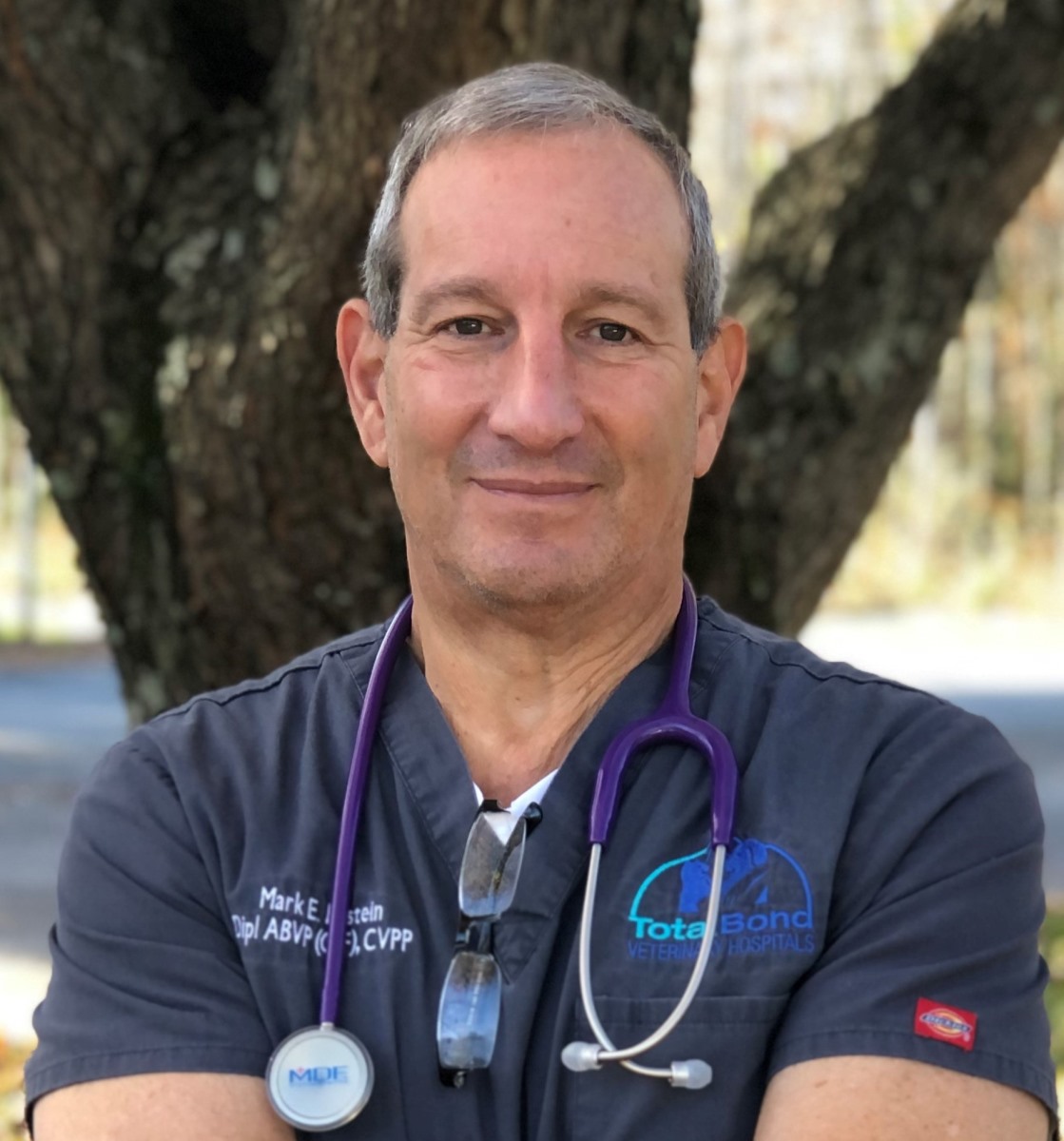
Mark E. Epstein, DVM, DABVP (C/F), CVPP
Dr. Epstein received his DVM from University of Georgia and is the Senior Partner and Medical Director of TotalBond Veterinary Hospitals, a small group of AAHA-accredited practices in the Charlotte & Gastonia NC. He is a Diplomate of the American Board of Veterinary Practitioners (Canine/Feline), a Founding Fellow Companion Animal Pain Management, and is a past-president of ABVP. He is recognized as a Certified Veterinary Pain Practitioner (CVPP) by the International Veterinary Academy of Pain Management, and is a past-president of IVAPM; he is currently President of the IVAPM Research & Scholarship Foundation. Dr. Epstein chaired the AAHA Senior Care Guidelines Task Force and co-Chaired the 2015 AAHA/AAFP Pain Management Guidelines Task Force; and an author of numerous book chapters and review articles. He is a recipient of the 2022 Viticus Small Animal Educator of the Year Award.

Jason Pieper, DVM, MS, DACVD
Dr. Jason Pieper is a board certified veterinary dermatologist currently working at Iowa State University as a tenured Associate Professor for Dermatology at Iowa State University College of Veterinary Medicine, where he graduated veterinary school in 2009. He completed a dermatology residency at the University of Illinois and became a diplomate of the American College of Veterinary Dermatology while also completing his master’s degree. His areas of interest in veterinary dermatology include atopic dermatitis, otitis, antimicrobial resistance, platelet rich plasma, dermoscopy and CO2 laser.

Renee D. Schmid, DVM, DABT, DABVT
Renee Schmid, DVM, DABT, DABVT, is the Director, Veterinary Medicine, Pet Poison Helpline and Senior Veterinary Toxicologist for Pet Poison Helpline/SafetyCall International. Dr. Schmid graduated from Kansas State University and is a Diplomate of both the American Board of Toxicology and American Board of Veterinary Toxicology.
While at Pet Poison Helpline, Dr. Schmid has had the opportunity to manage thousands of cases involving animal poisonings. In addition, she has presented on various toxins and leadership at both state, regional and national conferences as well as national webinars. Dr. Schmid has published scientific book chapters on a variety of toxins and general poisoning therapies and numerous peer-reviewed scientific articles. Dr. Schmid also serves on the Editorial Advisory Board for dvm360 and is a peer reviewer for various veterinary medical journals.
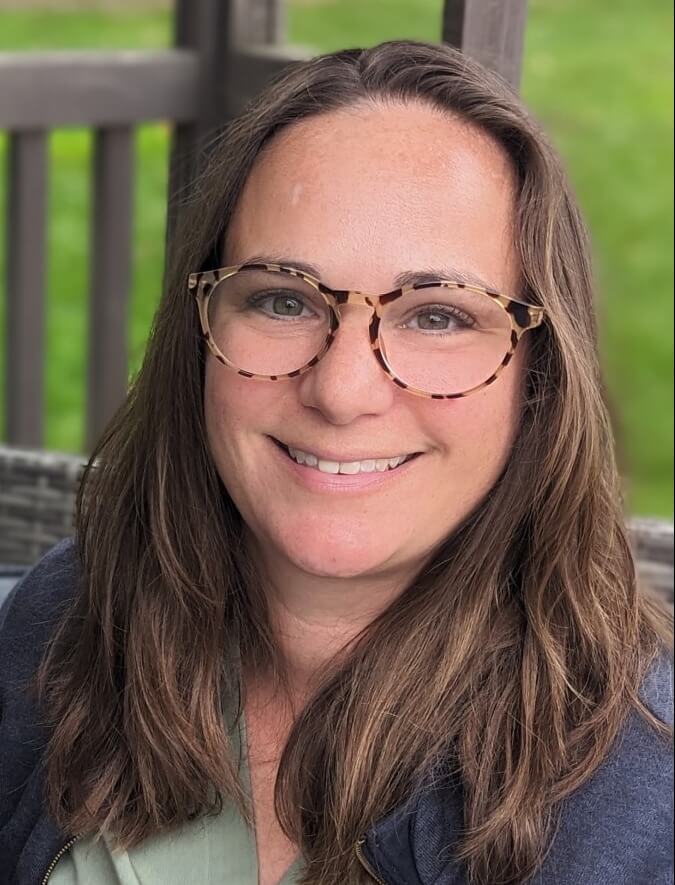
Kate Zukowski, CVT, VTS (Dentistry)
Kate Zukowski, CVT, VTS (Dentistry) is a veterinary technician with over 25 years of experience specializing in dentistry procedures. She received her Associate of Science in veterinary technology from Becker College and became a CVT in 2000. She became a Veterinary Technician Specialist (Dentistry) in 2019, became Fear Free Certified in 2020, and has been a RECOVER Certified BLS & ALS Rescuer since 2024. Passionate about educating veterinary professionals and advancing veterinary technology, Kate has been recognized and awarded by several prestigious organizations including the Academy of Veterinary Dental Technicians (Excellence in Dentistry Education Award 2023), Tufts University (Distinction Award 2018), and Cummings School of Veterinary Medicine (Spotlight Technician 2016). Currently she works at Tufts at Tech Community Veterinary Clinic as well as a co-course director and lecturer at Cummings School of Veterinary Medicine. She’s also engaged in speaking engagements, community and volunteer work, and as an active member of professional associations.
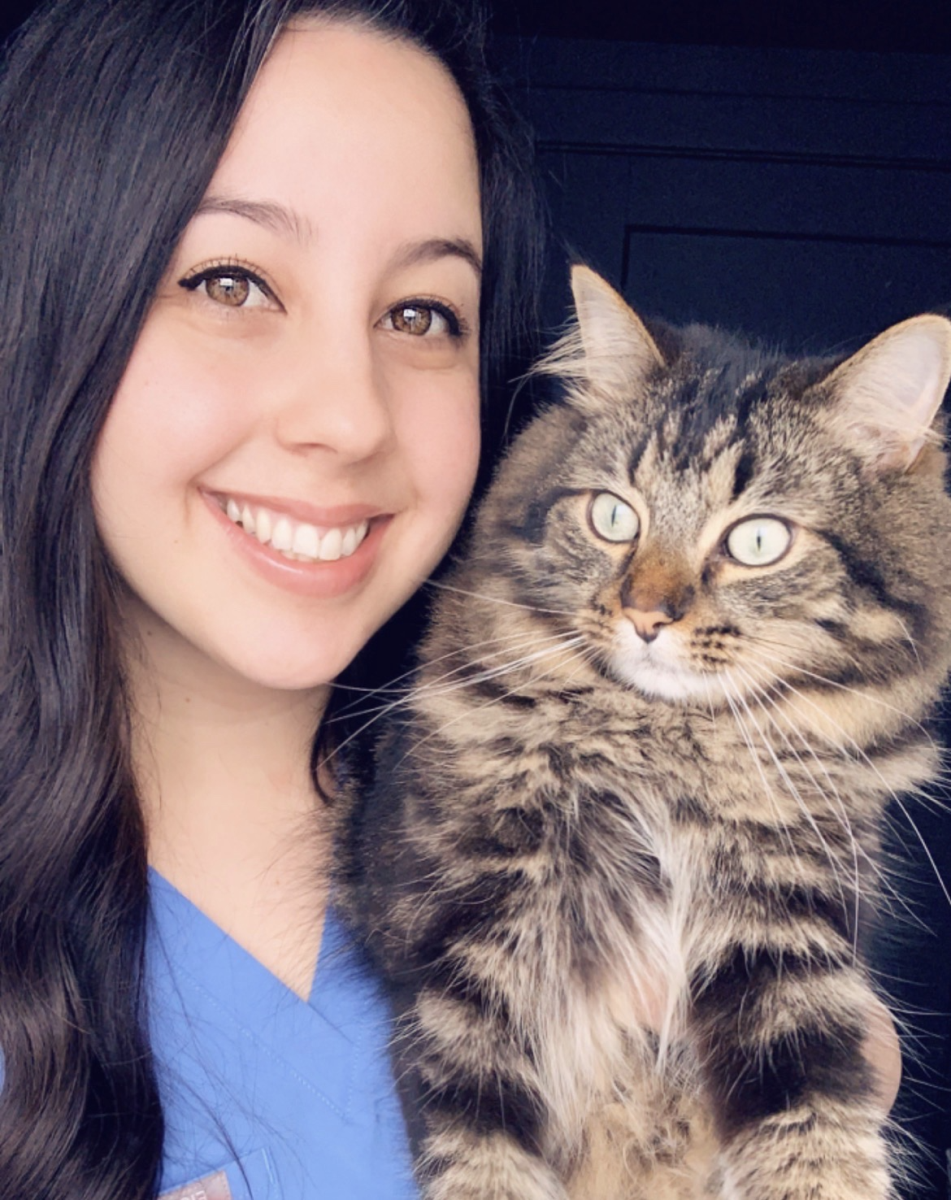
Leah Contreras, CVT, RVT
Leah Contreras has been working almost exclusively in anesthesia for the better part of 13 years. She currently works at Angell Animal Medical Center in Boston, MA as their full time on call anesthesia technician. Concurrently, she is the Anesthesia & Surgery supervisor at Tufts VETS in Walpole, MA. Her experience ranges from a variety of settings, such as academia, high volume spay and neuter clinics and specialty medicine. Throughout the years, she has cultivated a love of teaching anesthesia and pain management to elevate the standards for the veterinary profession. As such, she has lectured at state and international conferences about anesthesia the last 6 years and opened her own anesthesia training company last year. Her professional interests are in local regional blocks and critical anesthesia. Professionally, she recently co-authored her first published case report about Zenalpha in the GV-2O acupoint. On a personal level, she loves to try new foods, swim, hike in every season, and spend time with her two pets, Obi and Drago.
For More Information: